

IGI Certified Lab Grown Diamonds, Direct From The Grower
Every loose diamond in our collection ships with its IGI grading report, ready to set into your engagement ring or fine jewelry piece. Browse by shape below, or send us your specifications and we'll match you to the right stone.
- ✓IGI certified, every single stone
- ✓Same carbon, same hardness as mined
- ✓Laser inscribed and independently verified
- ✓Grown and cut by us, not resold
- ✓More carat for your budget
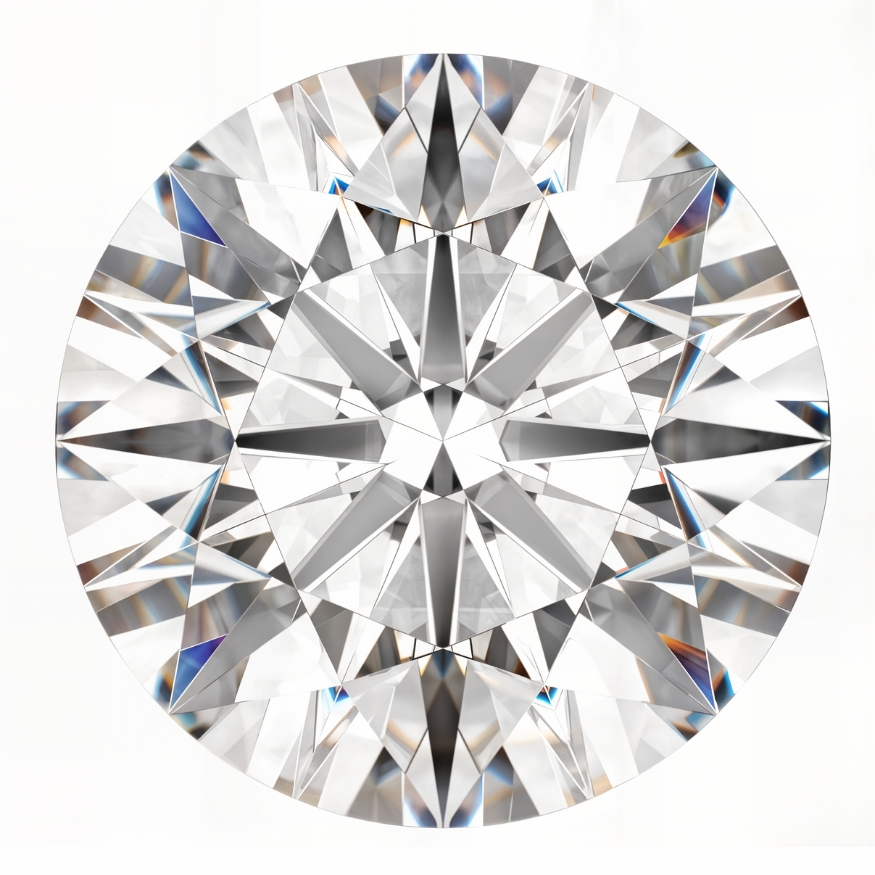
Every shape below is grown, cut, and certified in-house, with a full IGI grading report for the exact stone you receive.
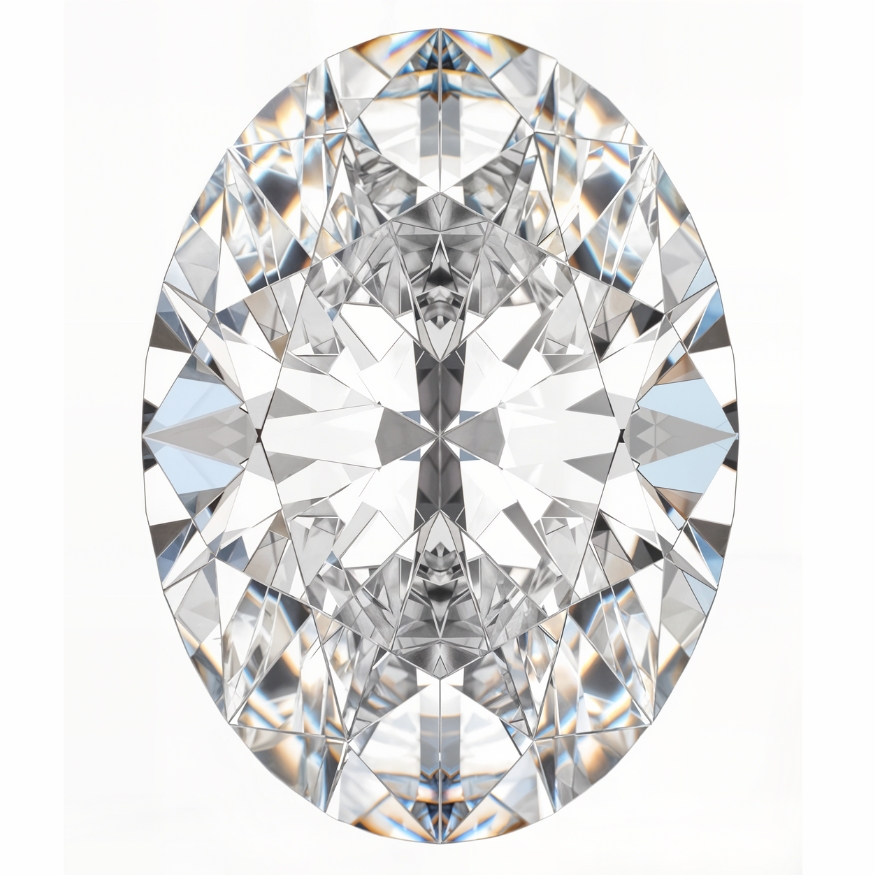
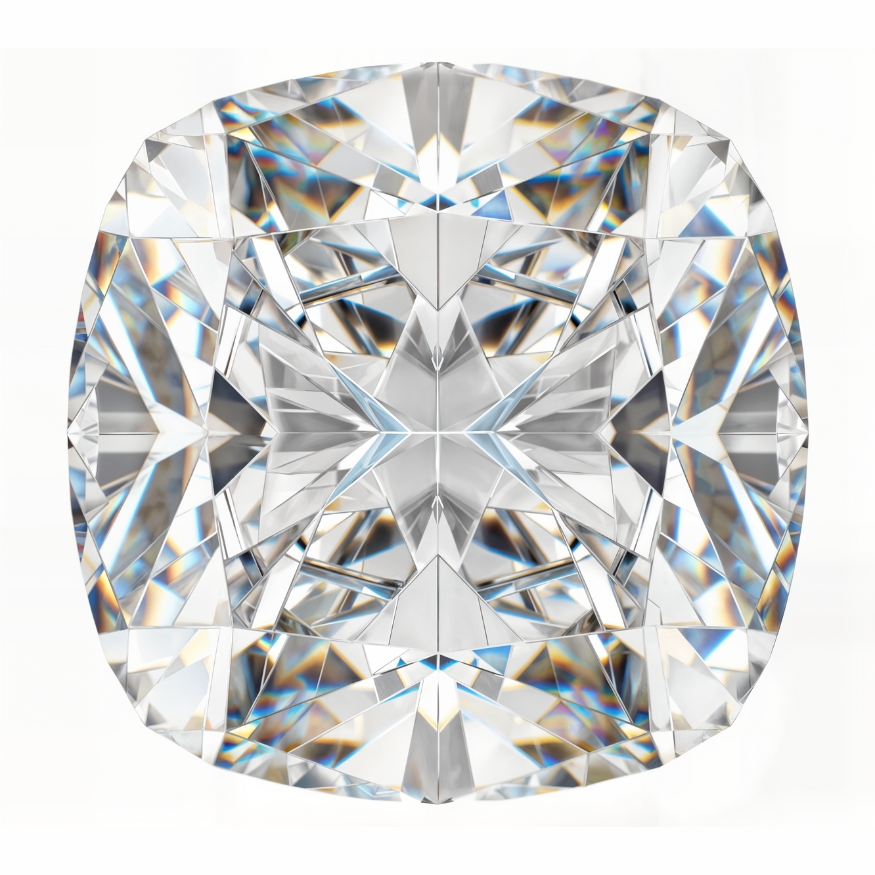
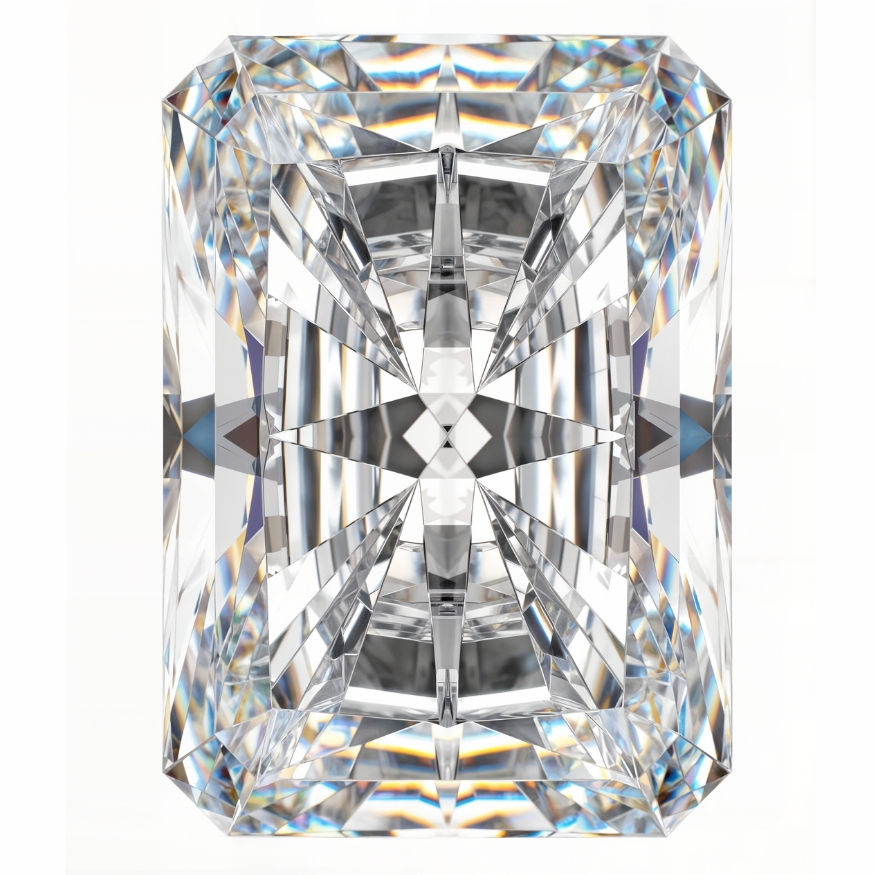
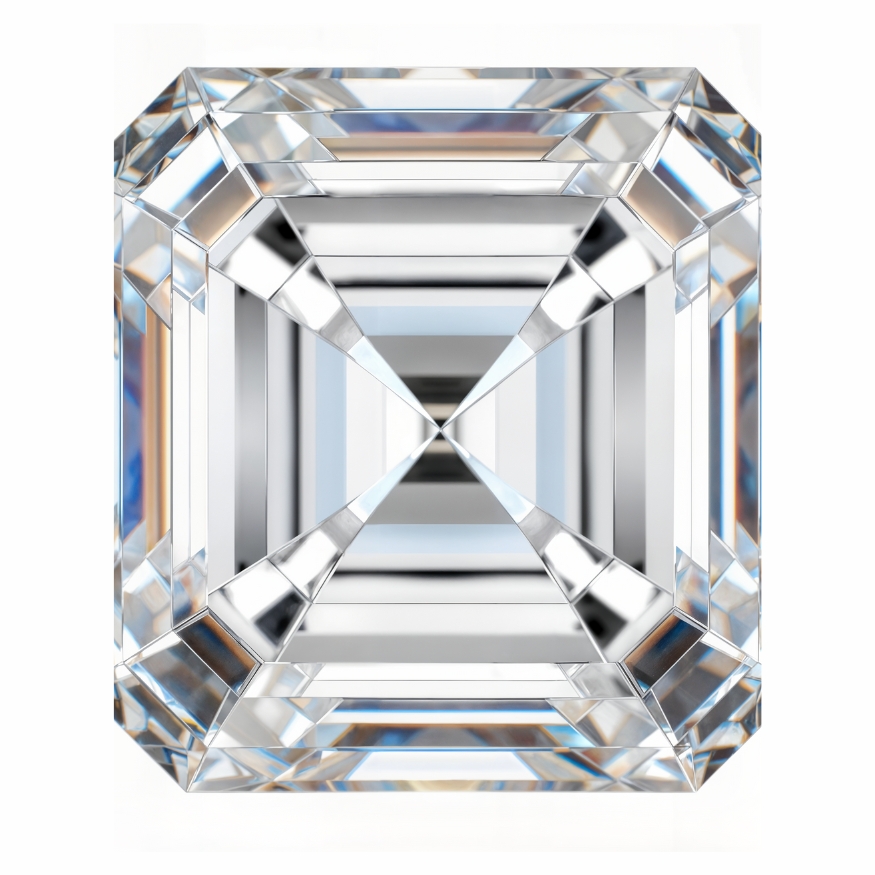
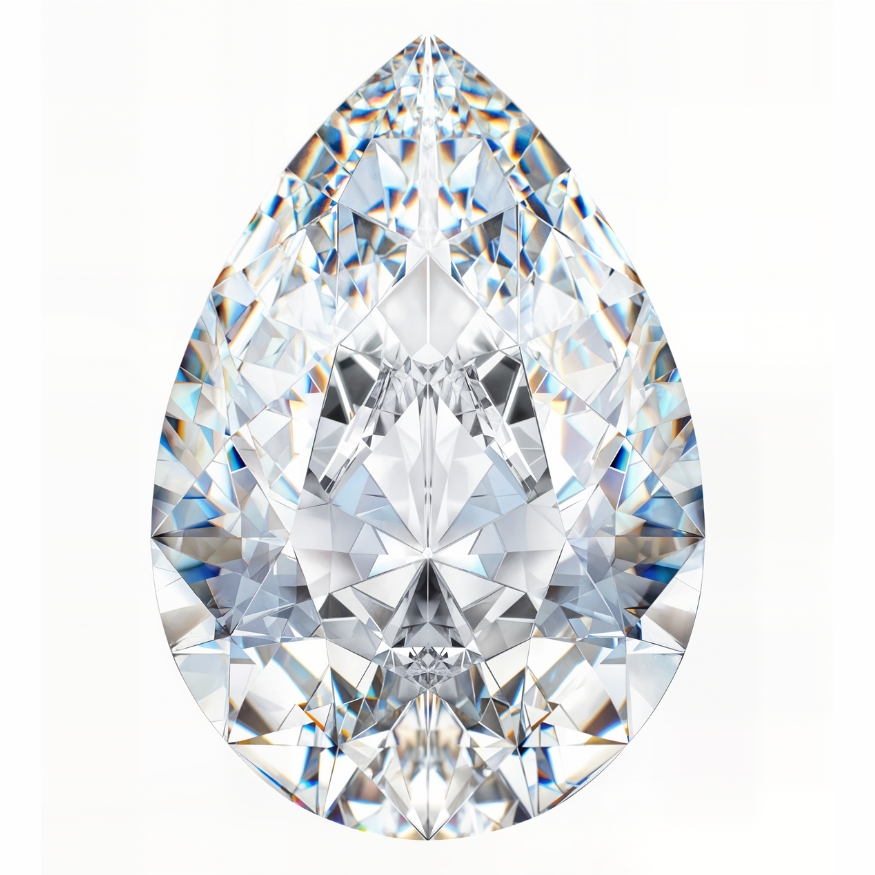
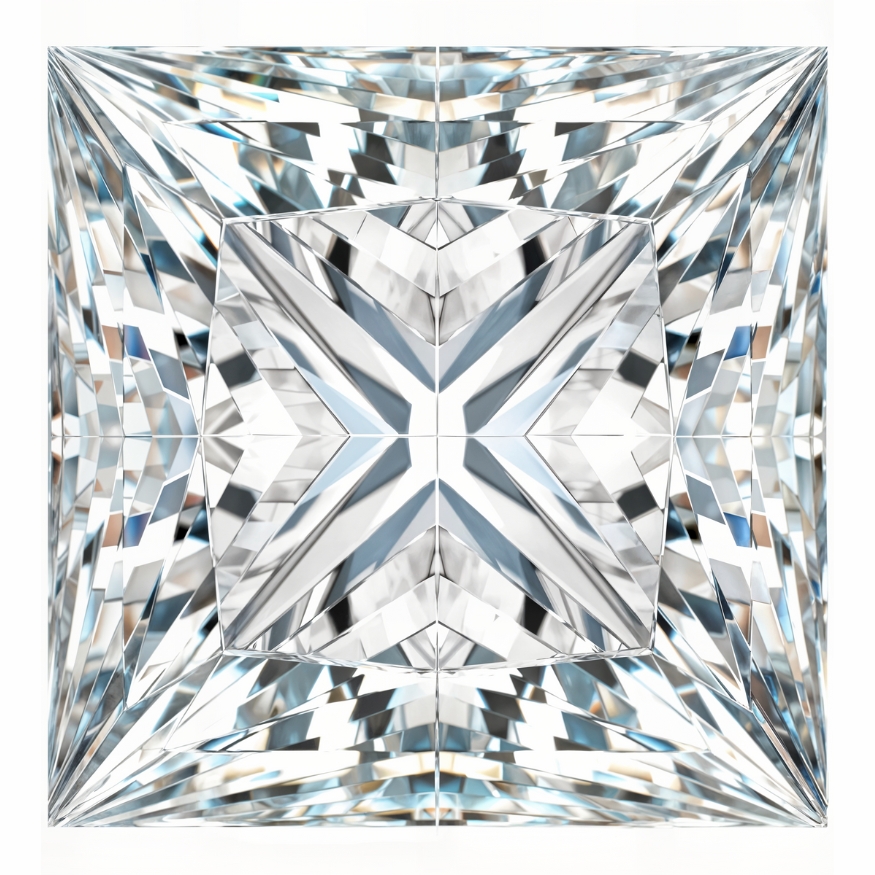
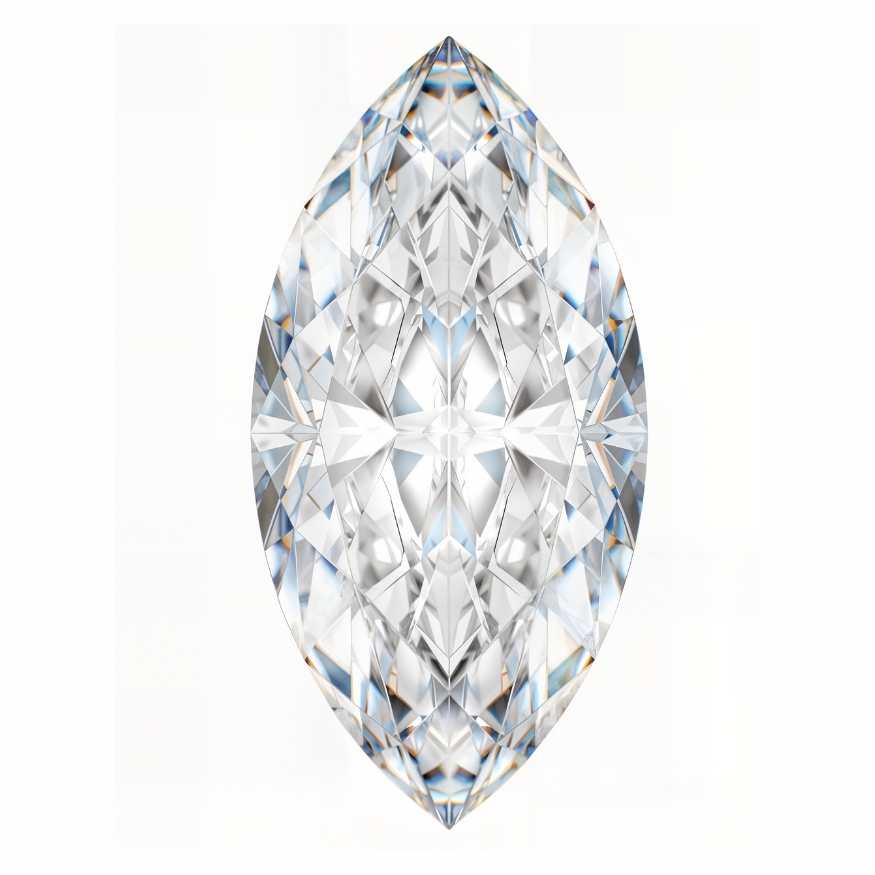
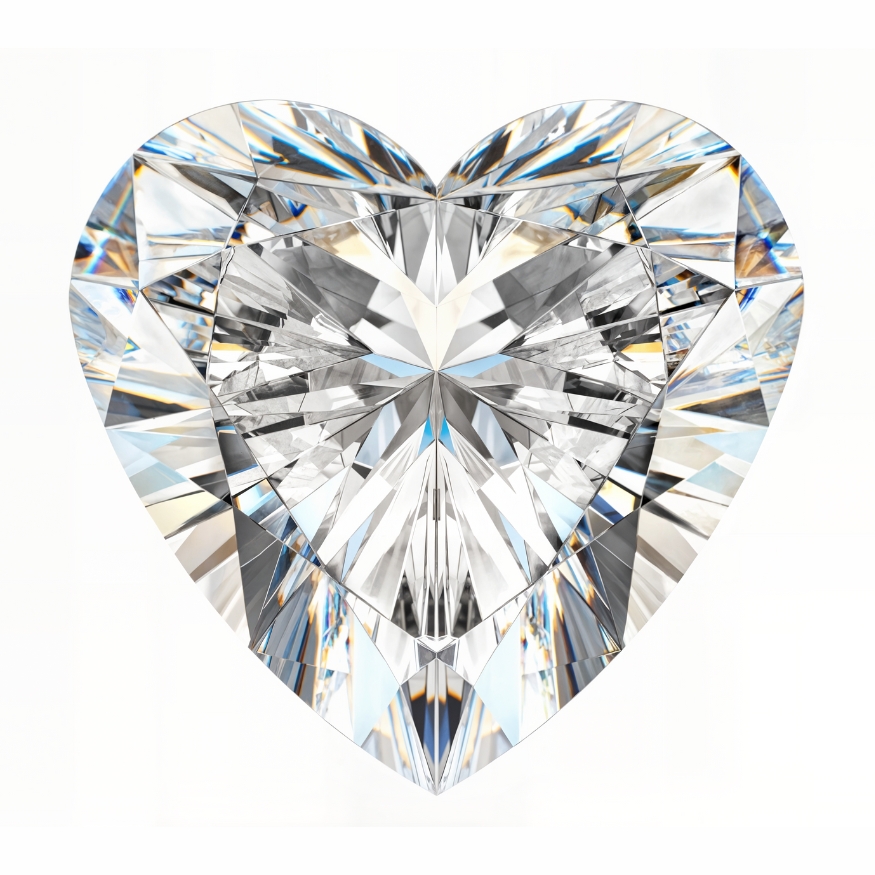
Don't see the shape or carat weight you need? Send us your specifications and we'll match you to a specific stone.
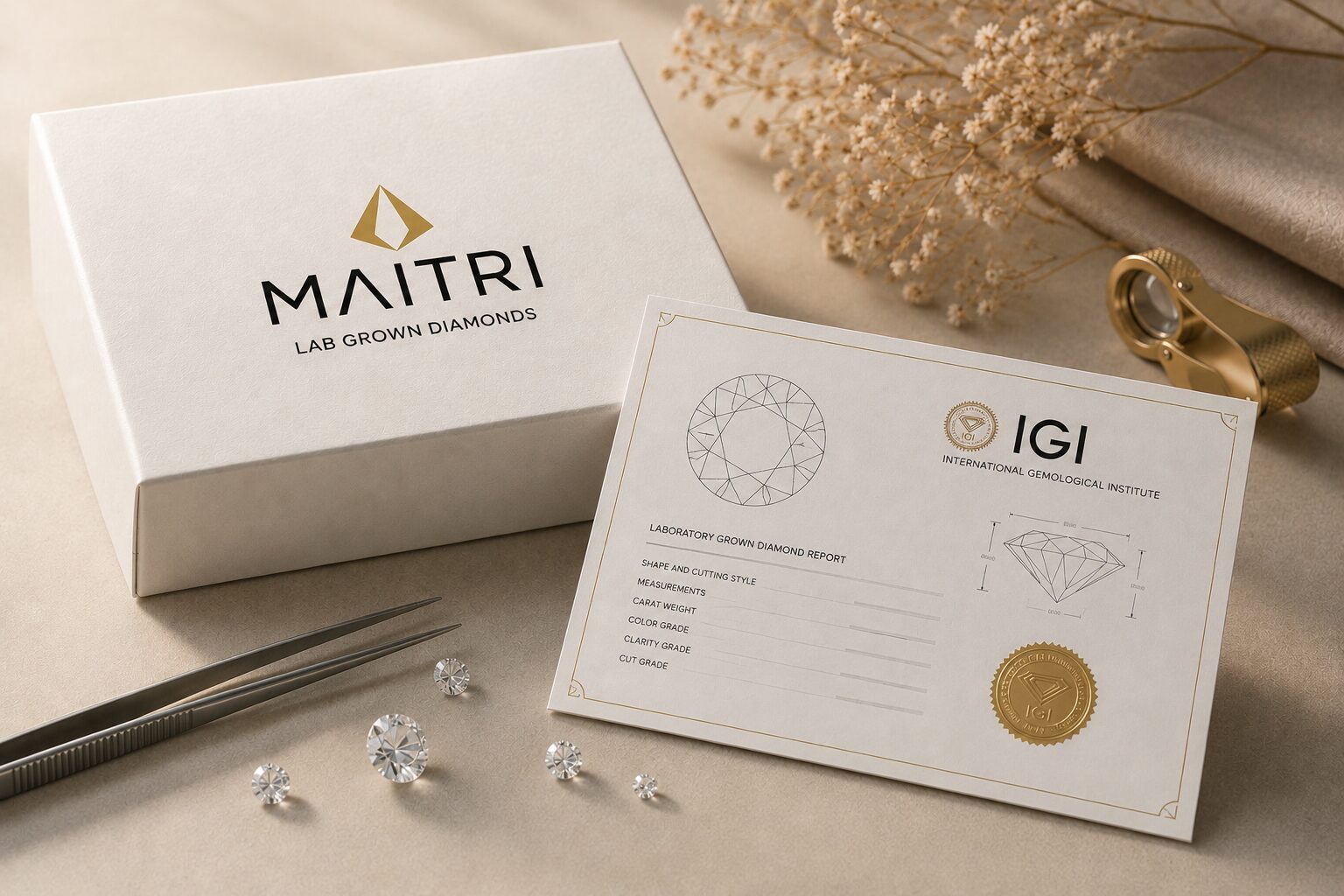
Send Your EnquiryWhen you are buying an IGI certified lab grown diamond, the certificate is what makes the purchase safe. It confirms that an independent gemologist, not the seller, has verified the stone's cut, color, clarity, and carat weight.
Maitri grows, cuts, and certifies every loose diamond we sell, in-house. Every stone ships with its IGI grading report, ready to set into an engagement ring or fine jewelry piece, or matched to your specifications on request.
Every diamond we sell is graded by IGI, the International Gemological Institute, an independent laboratory with no financial stake in what you decide to buy. Trained gemologists examine the stone directly using specialized equipment, so the grading never depends on our word.
Your report documents carat weight, cut grade, color grade, and clarity grade, along with the growth method and a laser inscribed report number on the diamond's girdle. That inscription ties the physical stone to its certificate permanently, so its identity and grading history travel with it even if it is ever reset.
Every IGI report we provide includes:
- Carat weight
- Cut grade
- Color grade
- Clarity grade
- Growth method (CVD or HPHT)
- Laser inscription and report number
IGI vs GIA: Does It Matter?
IGI and GIA are both reliable, independent grading authorities, and IGI has become the standard most widely used for lab grown diamonds specifically. Our guide, Lab Grown Diamond Certification Explained: IGI vs GIA, breaks down the differences if you want a closer look. For a lab grown diamond, an IGI report from a reputable manufacturer is a dependable standard to buy against.
An IGI certified lab grown diamond matches a mined diamond on every measure that matters, and outperforms a diamond simulant like cubic zirconia on all of them.
| Property | IGI Certified Lab Grown | Mined Diamond | Cubic Zirconia |
|---|---|---|---|
| Chemical composition | Carbon | Carbon | Zirconium dioxide |
| Hardness (Mohs scale) | 10 | 10 | About 8 |
| Formation | Grown in weeks (CVD or HPHT) | Formed over billions of years underground | Manufactured synthetic crystal |
| Brilliance and fire | Same as mined | Same as lab grown | Lower brilliance, more artificial-looking color flashes |
| Detectable to the naked eye | Not distinguishable from mined | Not distinguishable from lab grown | Often noticeable to a trained eye |
| Typical cost | Lower than mined, same grade | Highest, driven by rarity and mining costs | Lowest |
The one difference the table cannot show is resale value. Mined diamonds carry decades of trading history that lab grown diamonds have not built yet, so weigh that alongside the upfront savings and the fact your diamond was created without a mining footprint.
Carat weight, cut, color, and clarity determine both how your diamond looks and what it costs. Every stone we sell is graded against all four.
Carat measures a diamond's weight, not its quality on its own. Two diamonds of identical carat weight can look, and cost, very differently depending on how well they are cut.
Cut grade is the single biggest driver of a diamond's brilliance. An excellent cut on a lab grown diamond will show more sparkle than a larger, poorly cut stone every time.
Color is graded from D, colorless, down through Z, a noticeable yellow tint. Because lab grown diamonds are widely available in the near colorless range, many buyers can afford a higher color grade than they could with a mined stone at the same budget.
Clarity measures internal and surface characteristics, graded from Flawless and Internally Flawless down through Slightly Included and beyond. A slightly included lab grown diamond often still looks eye clean, which can mean exceptional quality for the price.
A grading report is only useful if you know how to read it. Here is what to check before you commit to a specific stone.
- ✓Request the actual IGI report, not just a listing that mentions "IGI certified." A legitimate report carries a report number you can look up independently.
- ✓Check that the laser inscriptionon the diamond's girdle matches the report number under magnification.
- ✓Look at cut grade before carat weight. A diamond graded Excellent in cut will show more brilliance than a larger stone with a mediocre cut.
- ✓Ask whether the diamond was grown using chemical vapor deposition or HPHT, high pressure and high temperature. Both are legitimate growth methods, and a reputable manufacturer discloses which one they use.
- ✓Compare clarity grades carefully. A slightly included stone can offer exceptional value if the inclusions are well placed, something our team can advise on directly.
We certify every diamond independently, disclose our growth process without being asked twice, and can trace a stone back to the batch it was grown in. Buying direct from the manufacturer, rather than a reseller, shows up in both price and service.
- Sells lab grown diamonds without a grading report, or treats certification as optional
- Cannot explain whether a stone was grown using chemical vapor deposition or HPHT
- Buys loose diamonds wholesale and resells them without growing any stone themselves
- Adds reseller markup without being transparent about it
- Certifies every diamond independently through IGI as standard, not an upsell
- Explains growth method, cut grade, and clarity in plain terms before you buy
- Controls quality from the growth chamber through cutting and grading
- Prices diamonds without a reseller markup layered on top
Maitri grows lab grown diamondsusing chemical vapor deposition in our own facilities, and every loose diamond we sell carries an IGI grading report as standard. If you have a question about a specific stone's cut grade, growth method, or clarity, you are asking the people who actually worked on it.
Get a fully explained grading report before you commit, with our team available to walk through cut, color, clarity, and carat weight in plain language.
Choose a certified stone built for daily wear, with the same hardness and brilliance as a mined diamond and documentation that supports insurance and appraisal down the line.
Work with consistent, verifiable specifications across repeat orders, backed by a manufacturer that can answer technical questions about a specific batch directly.
Are IGI certified lab grown diamonds real diamonds?
Yes. They share the same chemical composition, hardness, and optical properties as mined diamonds. IGI certification confirms that an independent gemologist has verified the stone's specifications and growth method, rather than taking the seller's description at face value.
Can you tell a lab grown diamond apart from a mined diamond by looking at it?
No, not with the naked eye and not with a standard jeweler's loupe. Telling the two apart requires specialized laboratory equipment that analyzes growth patterns and photoluminescence, which is exactly why a grading report matters more for a lab grown diamond than for almost any other purchase decision you will make.
Do IGI certified lab grown diamonds hold their value?
Lab grown diamonds are graded to the same standards as mined diamonds, but they have not built the same established resale market yet, since mined diamonds have had decades longer to develop one. Most buyers choose lab grown diamonds for certified quality and lower upfront cost rather than as a resale investment.
Is IGI certification as reliable as GIA for a lab grown diamond?
Yes. IGI is an internationally recognized, independent grading laboratory, and it has become the standard most widely used for lab grown diamonds specifically. See our guide on IGI versus GIA certification for a closer look at how the two labs' approaches differ.
Are lab grown diamonds a good choice for an engagement ring?
For most buyers, yes. They offer the same brilliance, hardness, and durability as mined diamonds for daily wear, typically at a lower cost per carat, backed by full IGI grading documentation.
How do I buy a loose diamond from Maitri?
Browse the shapes above, or send us your specifications: shape, carat weight, and budget. Our team will match you to a specific IGI certified stone and share its grading report before you commit to anything.
Every loose diamond in our collection ships with its IGI grading report, laser inscription, and full specifications confirmed before you buy, not after. Browse by shape, or tell us what you are looking for and we will match you to the right stone.
Google★★★★★4.7 Google Rating